When it comes to printing, there's more to ink than just CMYK (Cyan, Magenta, Yellow and Black).
Have you ever seen a printed image that glows in the dark, changes colour when heated, or even releases a fragrance when you rub the page?
What about a business card with shiny metallic details, raised textures, or a hidden message waiting to be scratched off?
These aren't magic tricks. They're special inks and printing effects!
They can add another dimension to your printed materials, making them more interactive, eye-catching, and memorable. Whether you're working on packaging, business cards, brochures, invitations, or promotional materials, knowing what these techniques can do might give you some interesting ideas for your next project.
Let's explore nine special inks and printing effects you should know about.
1. White Ink
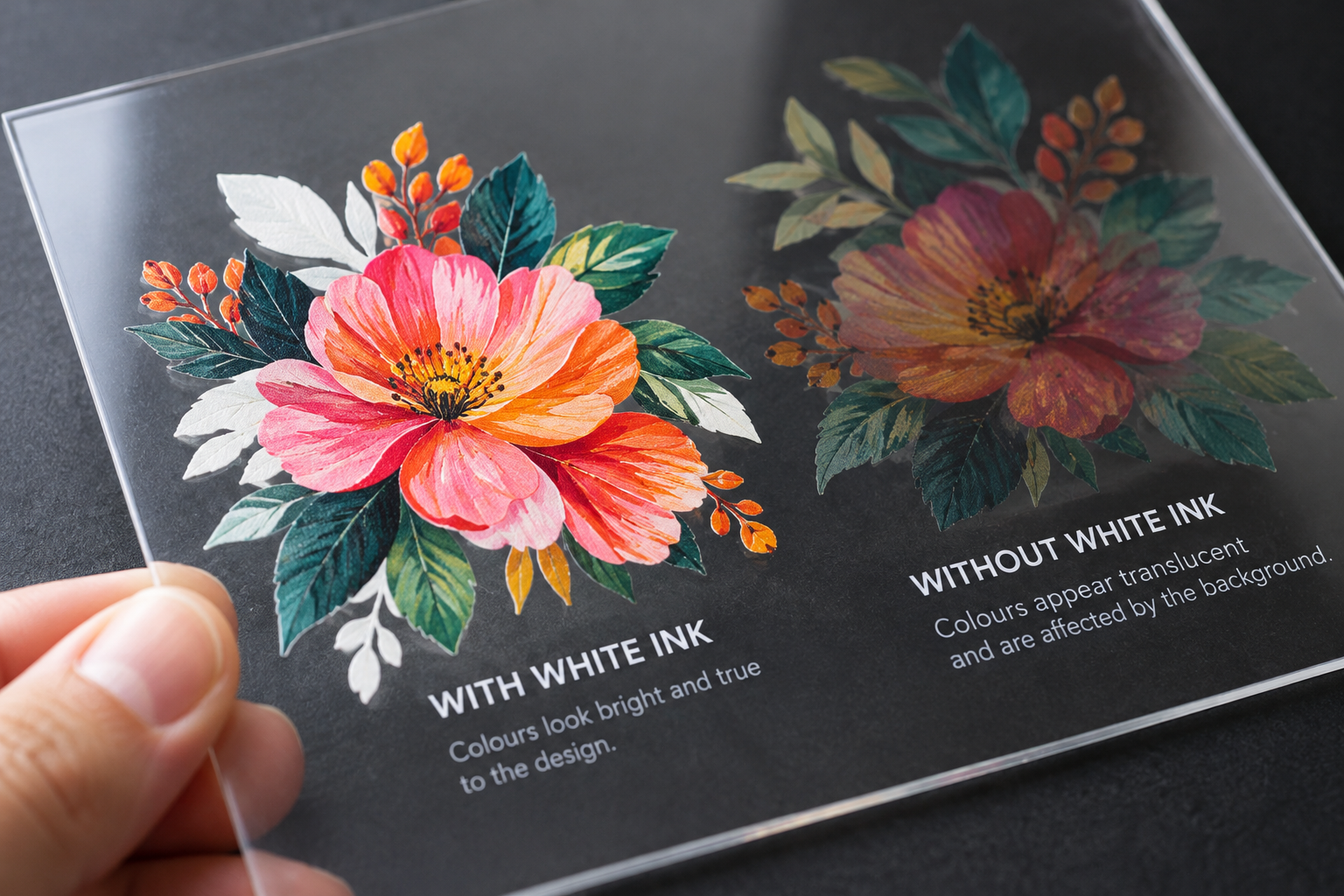
You might think white is just the absence of colour in printing, but that's not always the case.
When printing on coloured, transparent, or dark materials, white ink can be used as a base layer to help other colours appear more vibrant and closer to their intended appearance.
For example, if you're printing a colourful design on clear acrylic or transparent stickers, printing white underneath your artwork helps preserve the colours instead of letting the background show through.
It's also useful when you want to create white text, graphics, or decorative elements on dark surfaces.
When to use it: Transparent packaging, clear stickers, coloured paper, dark materials, and special print applications.
2. Neon Ink

Want your design to really stand out?
Neon inks are designed to deliver bright, fluorescent colours that immediately catch the eye. Think electric pink, vibrant orange, and fluorescent green.
Unlike standard CMYK colours, neon inks can achieve a level of brightness that's difficult to reproduce with ordinary printing inks.
They're particularly popular for promotional materials, posters, event invitations, packaging, and anything that needs a little extra attention.
When to use it: Posters, flyers, music events, fashion promotions, and bold graphic designs.
3. Metallic Ink
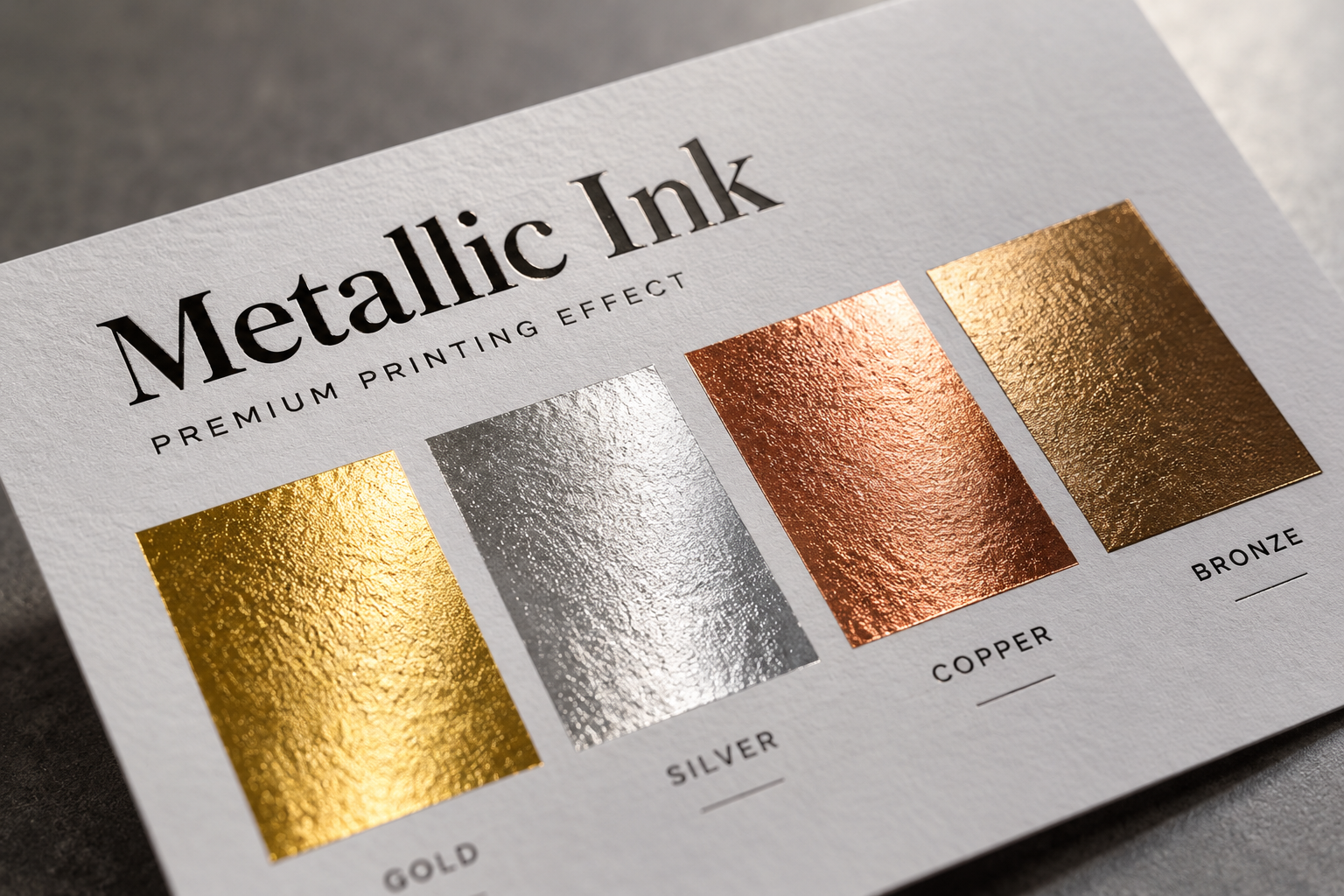
If you want your printed design to have a little shine, metallic ink is worth exploring.
Metallic inks contain reflective particles that create a subtle metallic sheen, giving printed elements a distinctive finish. Common choices include gold, silver, bronze, and copper.
Traditionally, special metallic colours were more commonly produced through lithographic printing, which could be less economical for smaller print runs. However, some digital printing technologies now offer metallic ink options, making this effect more accessible.
Pantone also offers a range of metallic colour references that designers can explore when preparing their artwork.
When to use it: Luxury packaging, business cards, invitations, certificates, premium brochures, and branding materials.
4. Glow-in-the-Dark Ink
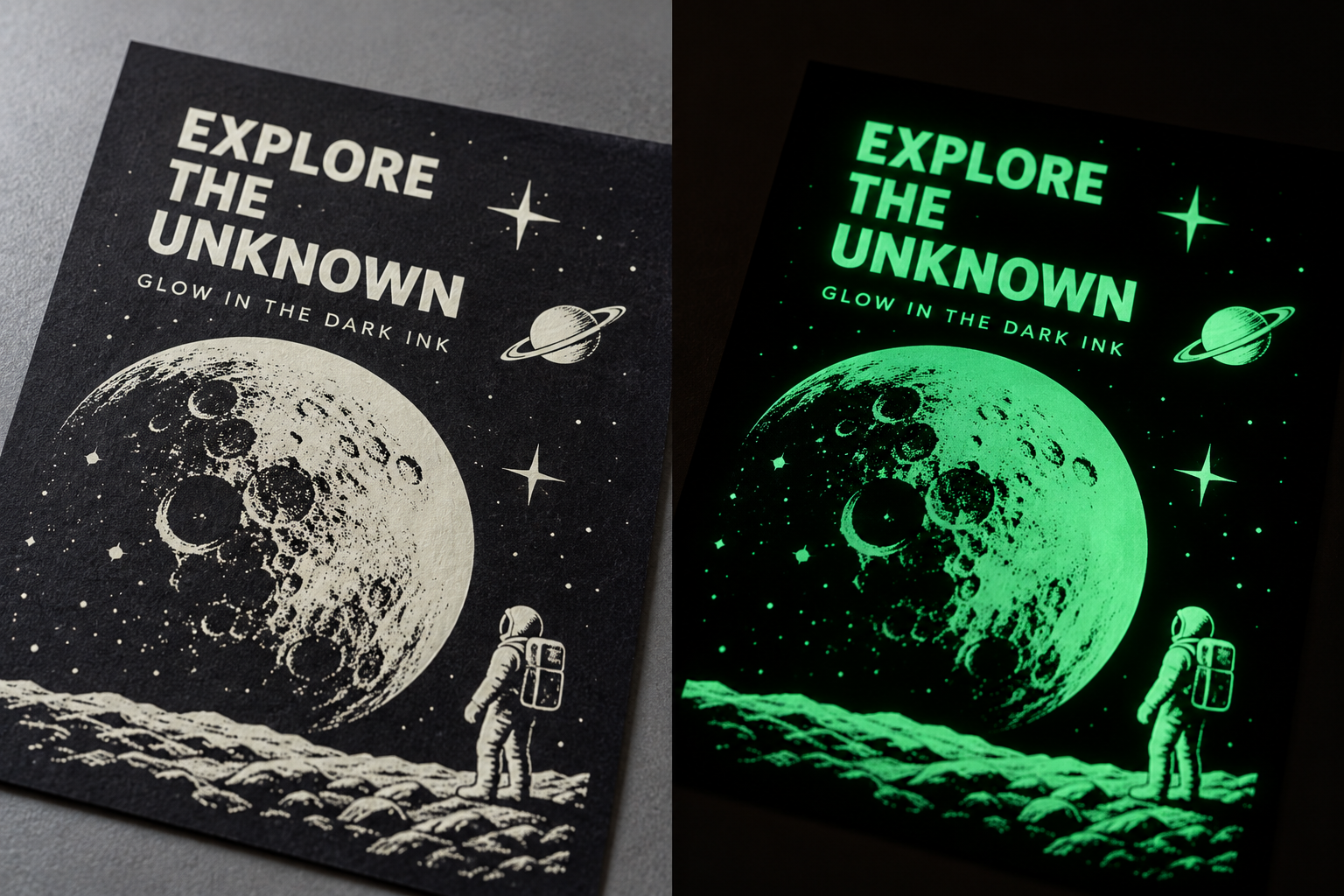
Here's one that can make your print quite literally shine!
Glow-in-the-dark inks absorb light and then release it gradually in darker surroundings, creating a glowing effect.
Unlike ordinary printing inks, these inks contain special materials that allow them to store light energy and produce a visible glow after the lights go out.
Imagine a poster that looks perfectly normal during the day but reveals glowing elements when you switch off the lights. Pretty cool, right?
When to use it: Event posters, creative packaging, novelty products, promotional materials, and special-edition prints.
5. Heat-Reveal Ink
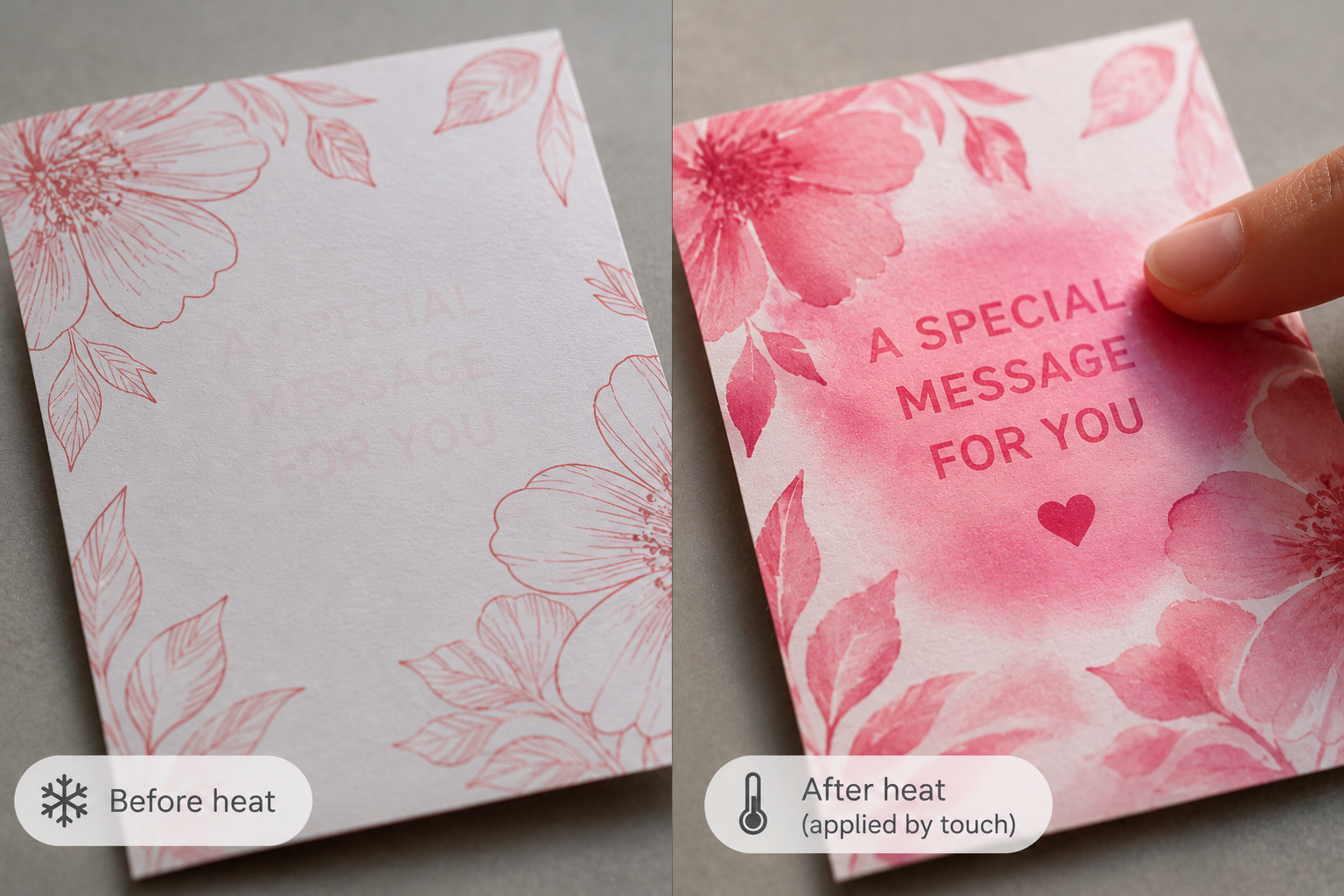
What if your printed design could change when someone touches it?
Heat-reveal printing uses thermochromic inks, which react to temperature changes. When heat is applied, the ink changes colour or becomes transparent, revealing an image or message underneath.
You might have seen a similar effect on colour-changing ceramic mugs. When you pour in a hot drink, the surface changes and reveals a hidden image.
The same principle can be applied to printed materials, creating an interactive experience that encourages people to touch and explore the design.
When to use it: Interactive packaging, promotional campaigns, novelty products, and creative marketing materials.
6. Fragranced Ink
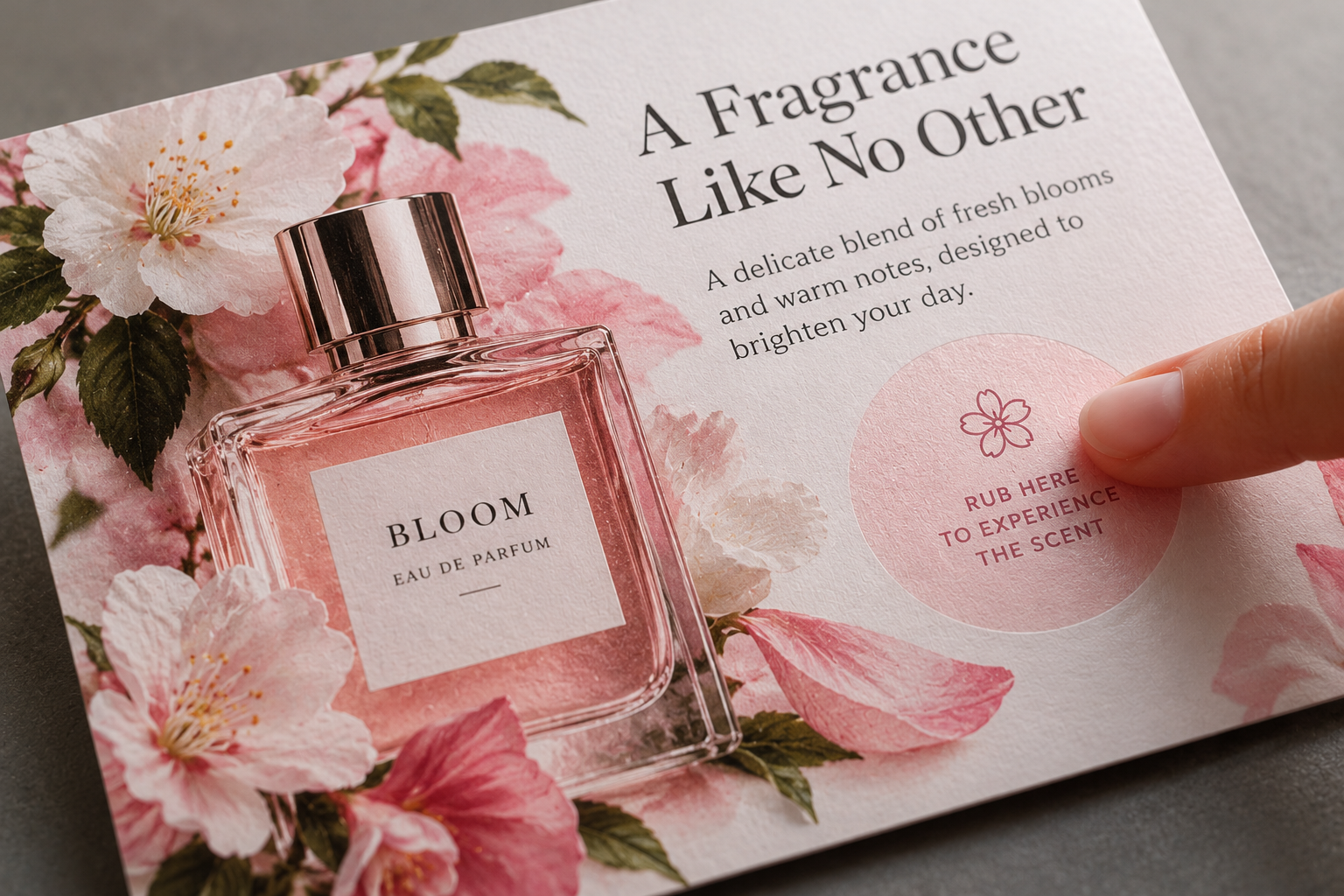
Printing doesn't have to be something you only see. It can also be something you smell!
Fragranced inks contain scent components that release a fragrance when activated, often by rubbing or scratching the printed surface.
You've probably come across this technique in beauty magazines, perfume advertisements, or cosmetic brochures. A fragrance sample is printed onto the page, allowing readers to rub the surface and experience the scent.
It's a clever way to bring a product closer to the customer without having to open the actual packaging.
When to use it: Perfume advertisements, beauty magazines, cosmetic brochures, product catalogues, and scented promotional materials.
7. Holographic Effects
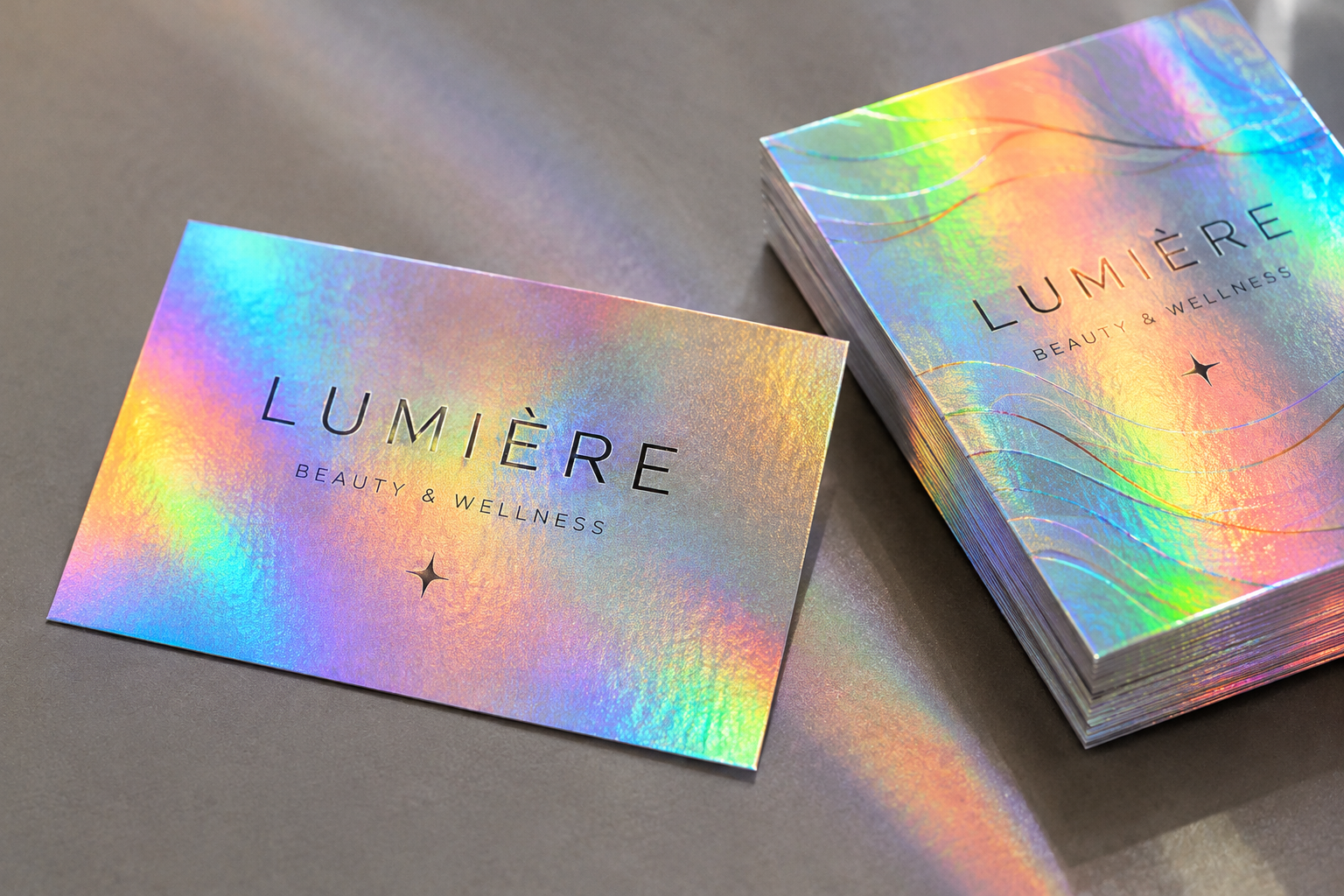
Want to give your printed materials a futuristic or eye-catching look?
Holographic finishes create a rainbow-like, reflective effect that changes depending on the angle of the light. You'll often see different colours appearing as you tilt the printed surface.
This effect is commonly achieved using holographic foil or specially designed holographic materials rather than conventional ink.
It's a popular choice for brands looking to create something visually striking and distinctive.
When to use it: Product packaging, stickers, labels, greeting cards, invitations, and special-edition prints.
8. Raised UV Ink
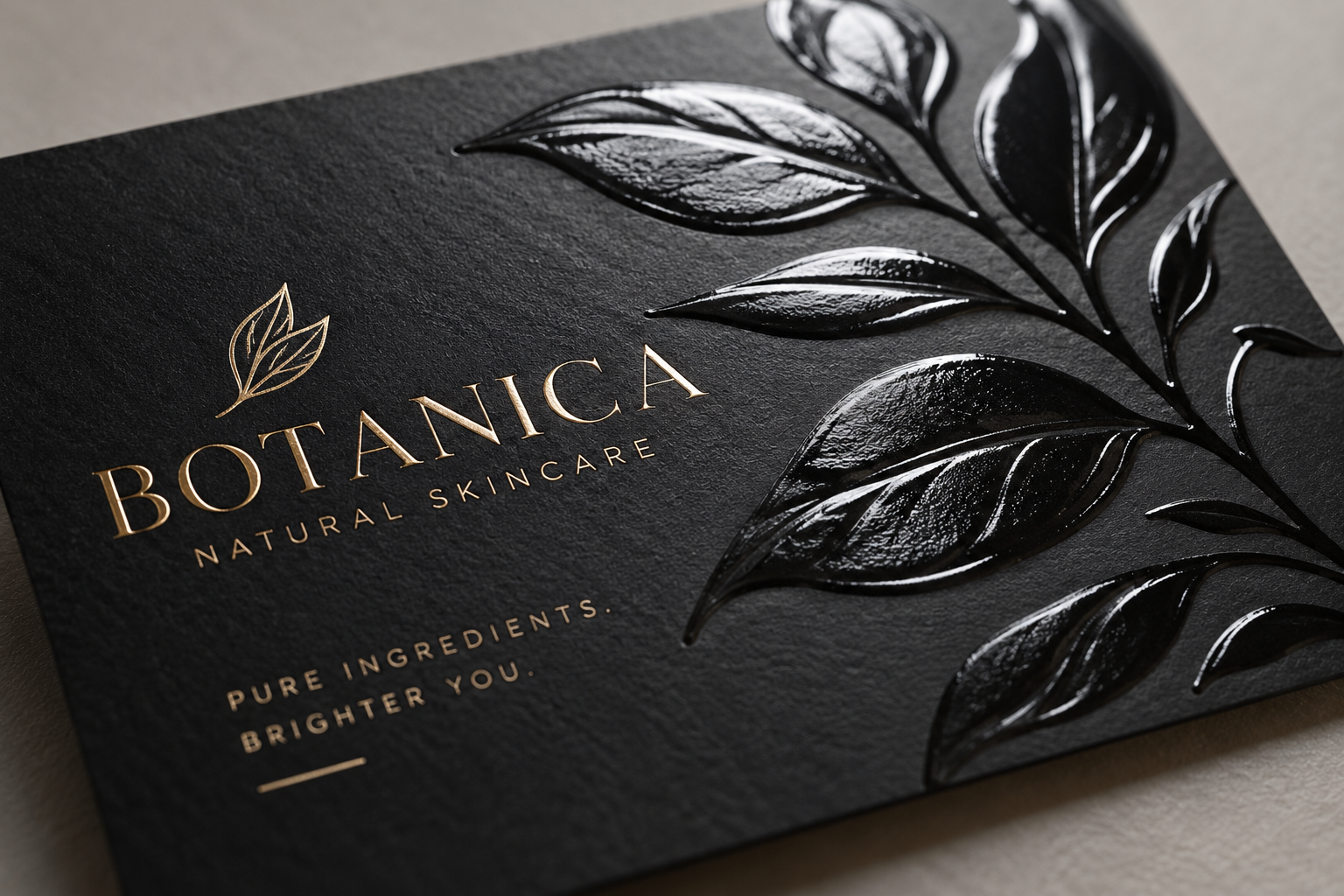
Printing isn't just about what you see. Sometimes, what you feel makes all the difference.
Raised UV printing uses a special UV-curable coating or ink to create raised details on the printed surface. Unlike regular flat printing, certain areas of the design have a noticeable texture that you can feel when you run your fingers over them.
It can also create a glossy, tactile effect that makes selected elements stand out from the rest of the design.
Imagine a business card with a raised logo or a brochure with textured lettering. It adds another layer of experience to an otherwise ordinary printed piece.
When to use it: Business cards, luxury packaging, invitations, book covers, and premium marketing materials.
9. Scratch-Off Ink
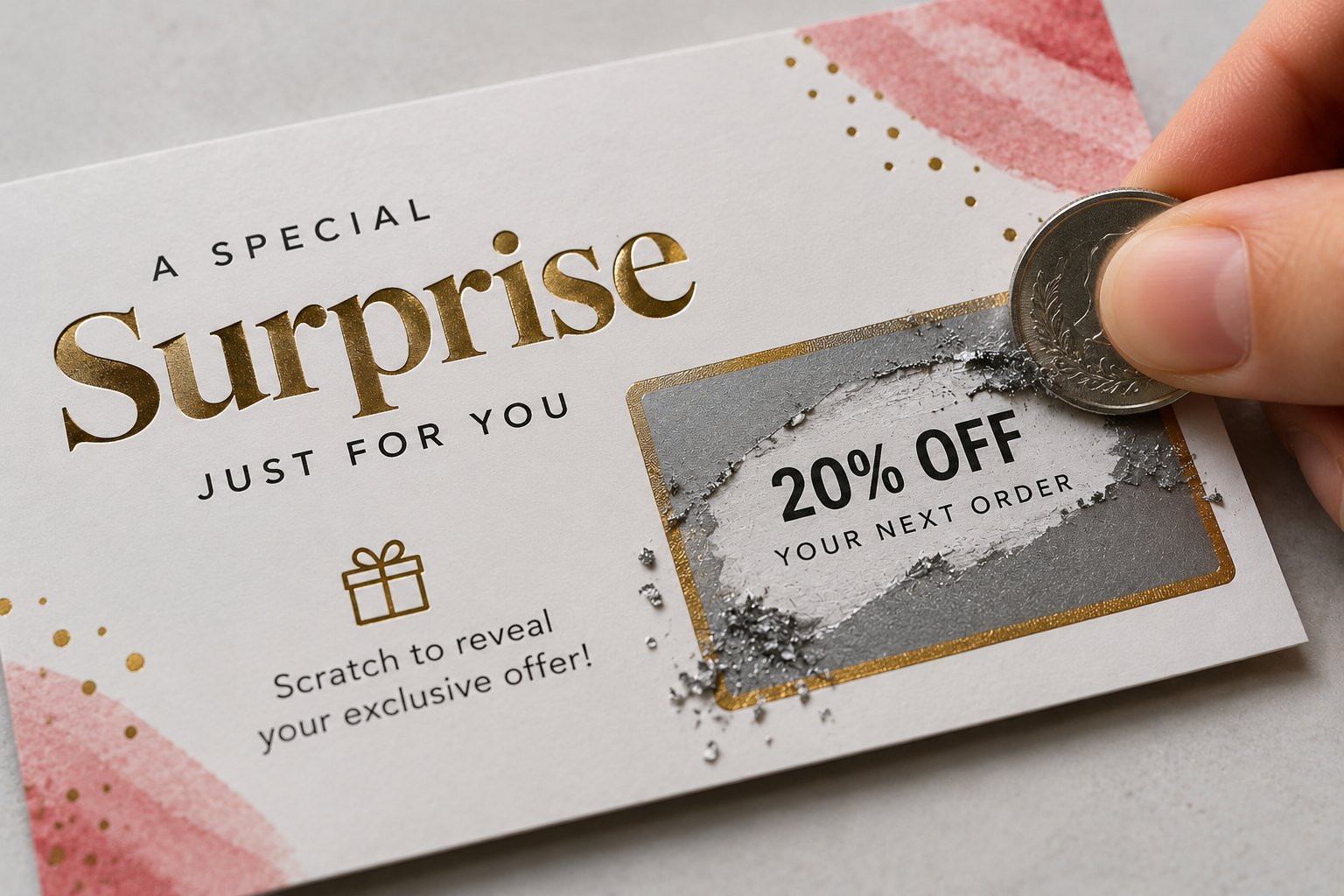
Remember those scratch cards where you have to scratch away a silver layer to reveal a hidden message or prize?
That's scratch-off printing!
Scratch-off ink is an opaque coating applied over specific areas of a printed design. Once someone scratches the coating away, the information underneath is revealed.
It's a fun way to make printed materials interactive and encourage people to engage with your design.
You can use it to hide discount codes, promotional messages, lucky numbers, or even personalised surprises.
When to use it: Promotional campaigns, lottery tickets, discount vouchers, gift cards, and interactive marketing materials.
Printing is much more than putting colours onto paper. With the right inks, coatings, and printing techniques, you can create something people want to touch, interact with, smell, and even discover.
As designers, understanding these special inks and printing effects can open up more creative possibilities when working on your next print project.
Sometimes, a small printing detail can make a big difference to the overall experience.
